In a letter to Jean-Baptiste Le Roy in 1789, Benjamin Franklin famously stated "[o]ur new Constitution is now established, and has an appearance that promises permanency; but in this world nothing can be said to be certain, except death and taxes." This prophetic statement has withstood the test of time.
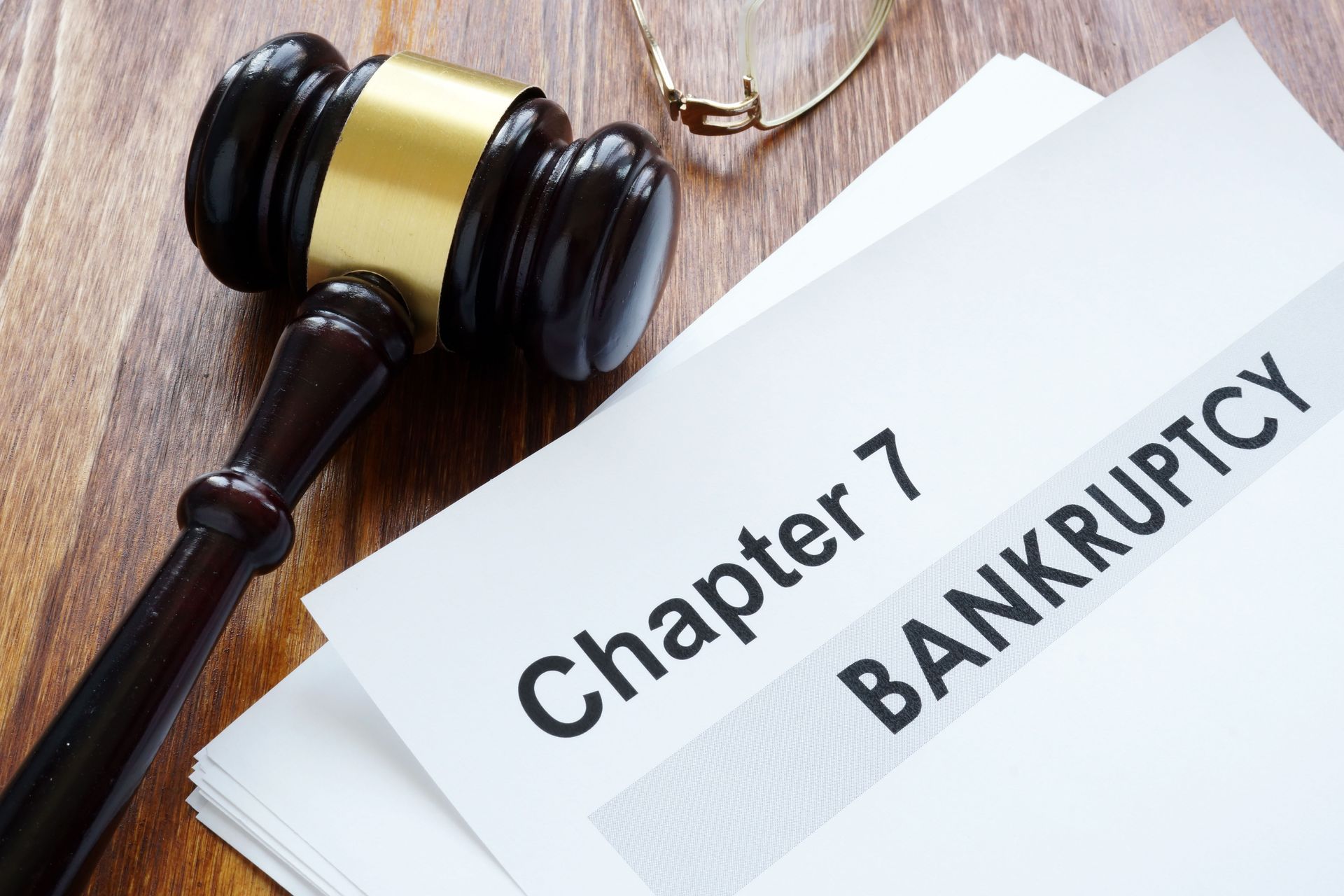
With the new year comes the obligation to file our annual tax returns. In Wisconsin, as in many other states, we have the privilege of filing both state and federal taxes returns. For many, this annual exercise results in a return of their interest free loan to the government in the form of a tax refund. If you are reading this post and considering bankruptcy, this post is meant to explain what not to do with your tax refund.
Preferential payments, or preferences, are payments made to a creditor prior to a bankruptcy being filed that results in the creditor receiving more than they would have received in the bankruptcy. There are a few requirements for preferences: first, the creditor must receive money from the debtor. Secondly, the payment must have been for a debt that existed before the bankruptcy was filed. There are also certain benchmarks that need to be met. For general unsecured creditors, the amount received by the creditor must be greater than $600 and, for insiders (most commonly family members and friends), there is no monetary limit.
So, how are tax refunds considered preferences? If, in the 90 days prior to filing bankruptcy (one year for insiders), you use your tax refund to pay a single creditor more than $600, it is considered a preference. The bankruptcy trustee will then be able to recover those monies and divide the money equally amongst all your creditors. For example, you receive a total of $2,200 in tax refunds. Your father loaned you $1,500 last year to get caught up on some bills, so you pay him back before filing your bankruptcy. Oops! This payment has now become a preference that is recoverable by the bankruptcy trustee. Your father must turn over the $1,500 for it to divided amongst your creditors. Failure to do so could result in a money judgment against your father.
How can you avoid this happening? First, do not pay back your father. Keep the money in your bank account until after the bankruptcy has concluded. The first $5,000 ($10,000 if you are married) in your bank account is exempt, so it is protected from both your creditors and the bankruptcy trustee. Once the bankruptcy has concluded, pay back your father. How you decide to use the exempt funds in your bank account after the bankruptcy has concluded is no one's business.
When it comes to preferences, timing is everything. If you are considering bankruptcy, contact me prior to paying any debts with your tax refund. When done correctly, bankruptcy can completely change the trajectory of your life moving forward.
The post Tax Refunds: How Doing the Right Thing Can Have the Wrong Result appeared first on Helbing Law Office, LLC.