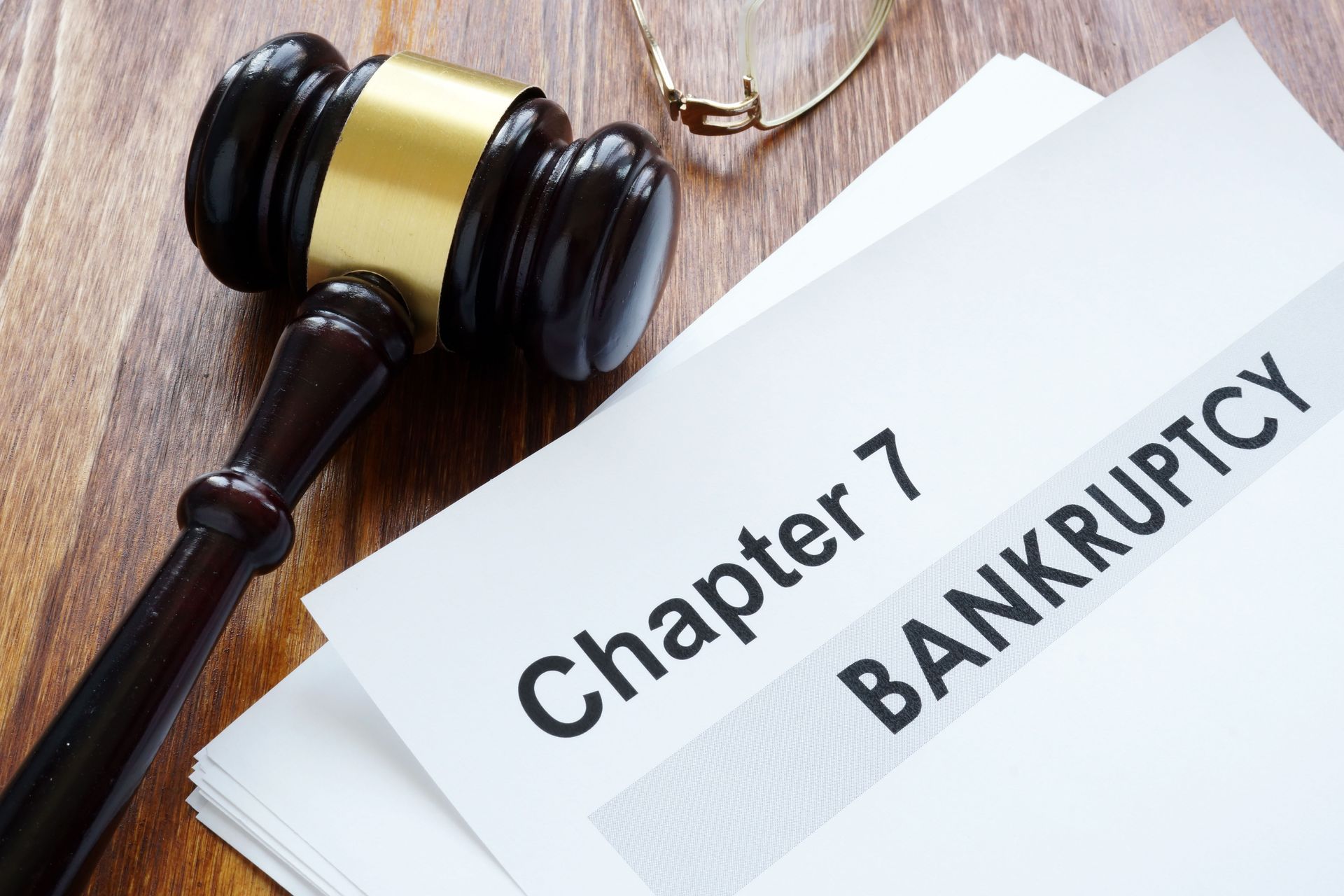
The difference between Chapter 13 and Chapter 7 bankruptcy
June 27, 2025

June 27, 2025

Bankruptcy is a safety rope that can save many people from crippling financial debts. There are multiple forms of bankruptcy, and each of them offers different benefits and drawbacks. If you are considering bankruptcy, how can you be sure which option is right for you?


Despite how difficult it may seem to decide between bankruptcy options, hundreds of thousands of Americans decide every year. To help you decide, here is a summary of Chapter 7 and Chapter 13 bankruptcy:


Chapter 7

The goal of bankruptcy is to help an applicant take back control over their finances. Chapter 7 bankruptcy offers this control by discharging most of your debt. To receive a discharge of debt, a Chapter 7 applicant will need to sell any non-exempt assets. Once the applicant has sold their non-primary homes, heirlooms, and collectibles and applied those funds to their debt, the government will discharge the remaining debt.


Chapter 13

This option of bankruptcy does not require the debtor to sell their possessions. Instead, Chapter 13 bankruptcy restructures the monthly payments an applicant has into a single monthly payment into a new payment plan. This payment plan lasts between three and five years. Once the payment plan is done, the remaining debt is then discharged.


Which should you pick?

It may still be challenging to choose which bankruptcy option you want to pursue. Speak with a bankruptcy attorney to gain a better understanding of how each option can impact you. Do not be afraid to seek bankruptcy, as it may help you escape financial hardship.


Send Us a Message

Contact Us

Please fill out this short form and we'll contact you shortly.

Fields marked with an * are required

Disclaimer: The use of the internet or this form for communication with the firm or any individual member of the firm does not establish an attorney-client relationship. Confidential or time-sensitive information should not be sent through this form.

bankruptcy attorneys
November 7, 2025
Do you know about the role of bankruptcy attorneys when it comes to navigating debt relief? Read this article or give us a call at Helbing Law Office, LLC today!
bankruptcy
August 18, 2025
Learn how Bankruptcy works, including Chapter 7 & 13, eligibility, exemptions, and impacts on credit. Explore pros, cons, and alternatives to debt relief.
A family walking through a grassy field holding hands
June 27, 2025
Your finances should be able to help you live the life you deserve. They shouldn’t be a source of constant stress. If you never have enough money to cover your bills, it is probably time for you to make some tough choices. One of these is whether you are going to continue to struggle to pay off debts or if you are going to file for bankruptcy. Just to be clear, bankruptcy isn’t an easy answer to your money woes. Instead, this is something that is going to take time and effort. You will have to go through counseling and take other steps before you will have the case finished. There are several considerations that you need to think about before you file. These can impact your life now and might have longer-lasting ones. For example, your credit report will reflect the fact that you did seek bankruptcy relief. This alone can make it more difficult for you to get credit in the future. We understand that you might feel like you don’t have any options right now. While bankruptcy isn’t usually anyone’s first choice, it can certainly help you regain control of your finances. Once you have this handled, your stress may decrease so that you can enjoy your life again.  If you are ready to file, be prepared to provide an accurate account of your financial situation. The court requires you to do this so that it can determine if you are eligible to file. Don’t worry – we are here to help you with this part of the case, as well as any others that need to be addressed.
Show More →