August 20, 2026

Facing overwhelming debt is a heavy burden, and for most homeowners, the single biggest concern during a financial crisis is whether filing for bankruptcy means losing the family home. Your house is more than just a financial asset; it is your sanctuary, your stability, and the center of your daily life. Fortunately, national debt relief laws are designed to help honest individuals rebuild their financial future without automatically stripping away their primary shelter. Understanding how property exemptions, mortgage arrangements, and court filings work together provides clarity during uncertain times. By taking a proactive approach, you can explore legal options that protect your home while granting you a fresh financial start.
Understanding How Property Exemptions Protect Equity
When you initiate a bankruptcy filing, applicable laws allow you to claim specific property exemptions that safeguard your key assets from being sold to satisfy creditors. The homestead exemption is specifically designed to protect a certain dollar amount of equity in your primary residence. If your total home equity falls below the allowed state or federal exemption limit, a court-appointed trustee cannot liquidate your house to pay unsecured debts. Evaluating your current market value against your remaining mortgage balance helps determine how effectively homestead protections apply to your situation. Working with experienced professionals ensures that your equity is accurately calculated and fully shielded under relevant statutes.
Navigating Chapter 7 Liquidation Rules
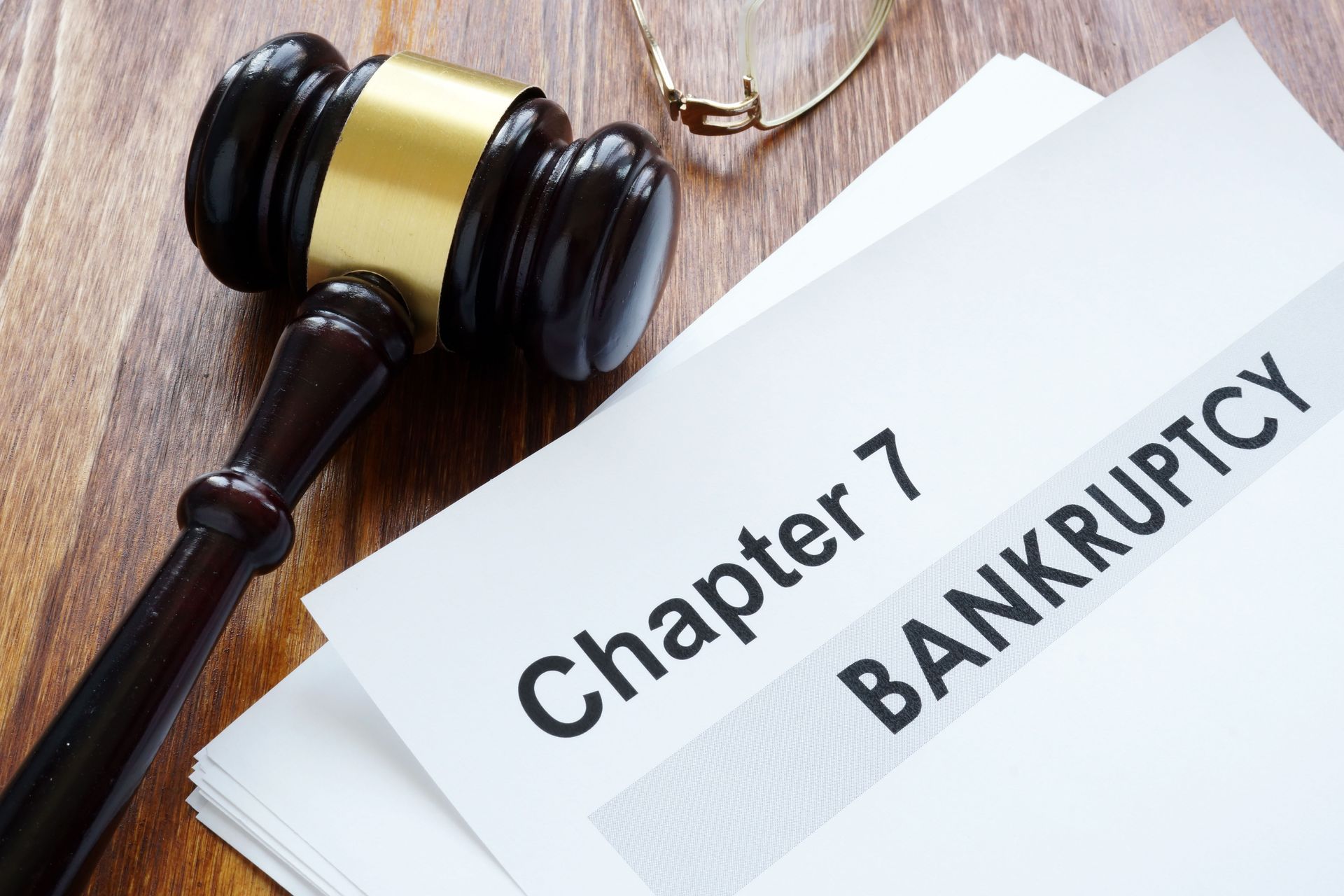
Chapter 7 is often referred to as liquidation bankruptcy because it eliminates non-exempt assets to satisfy outstanding debts quickly. However, the trustee only targets property that contains significant non-exempt equity that could yield a meaningful payout for creditors after sales costs. If your home has little equity or if all existing equity is covered under homestead provisions, your residence remains unaffected by the liquidation process. You must, however, remain current on your monthly mortgage payments if you intend to keep the property after filing. Maintaining regular housing payments ensures that secured lenders have no cause to initiate foreclosure actions during or after the proceedings.
Leveraging Chapter 13 Repayment Plans
For homeowners facing mortgage arrears or possessing home equity that exceeds exemption limits, Chapter 13 provides a structured alternative. Rather than liquidating property, this form of bankruptcy consolidates your past-due balances into a manageable three-to-five-year repayment plan. Entering a Chapter 13 arrangement allows you to catch up on missed mortgage installments gradually while continuing your regular monthly payments. This court-supervised program creates a sustainable path forward that stops foreclosure dead in its tracks. Utilizing a repayment schedule gives families the time and structure required to cure past defaults without giving up their house.
Halting Foreclosure with the Automatic Stay
One of the most powerful features of filing for bankruptcy is the immediate implementation of an automatic stay. The moment your case is submitted to the court, the automatic stay halts all ongoing collection activities, foreclosures, wage garnishments, and creditor lawsuits. If your home is scheduled for a sheriff sale or foreclosure auction, this legal injunction pauses the sale immediately, granting you valuable breathing room. The stay gives you and your legal team time to formulate a viable reorganization plan or evaluate long-term housing solutions. This crucial safeguard ensures you remain in control of your living situation during high-stress moments.
Managing Income Requirements and Means Testing
Eligibility for different debt relief options depends heavily on your household earnings and ongoing monthly expenses. To qualify for Chapter 7, applicants must pass a standardized means test designed to evaluate whether their disposable income is low enough to warrant debt discharge. According to Debt.org, those filing for bankruptcy who have a four-year college degree make an average 62% of what the general population with the same education level earn. This statistic underscores how sudden economic shifts and income reductions affect educated professionals who struggle to maintain traditional housing costs. Meeting statutory income criteria ensures you choose the appropriate legal route for your household.
Evaluating Mortgage Arrears and Lender Relations
It is crucial to recognize that filing for personal debt relief eliminates your personal obligation for unsecured debts, like credit cards or medical bills, but does not erase secured liens. Your mortgage lender retains a lien against your real estate until the principal balance is completely paid off. If you fell behind on housing payments prior to filing, you must present a realistic plan to cure those delinquencies to prevent lender repossession. Openly communicating your intent to reaffirm the debt or catch up via court-ordered plans protects your rights as a property owner. Addressing mortgage obligations directly prevents unpleasant surprises after your discharge is granted.
Analyzing State versus Federal Exemption Laws
Depending on your jurisdiction, you may have the choice between using state-specific homestead exemptions or federal bankruptcy exemption guidelines. State homestead protections vary widely across the country, with some states offering generous equity caps while others provide more modest allowances. Selecting the proper exemption scheme requires careful comparison to ensure your home, automobile, and secondary assets receive optimal protection. Applying the correct legal framework prevents unnecessary exposure of your property during court reviews. Expert legal analysis helps you select the exact scheme that minimizes financial loss and maximizes your retained assets.
Addressing Second Mortgages and HELOCs
Homeowners carrying multiple loans on their property must consider how secondary mortgages and home equity lines of credit are treated in court. If the market value of your home has dropped significantly below the primary mortgage balance, a Chapter 13 filing may allow for a process known as lien stripping. Lien stripping reclassifies an entirely unsecured junior mortgage into a general unsecured debt, which can be discharged alongside credit cards. Successfully removing a secondary lien reduces your total monthly housing expenses significantly over time. Exploring advanced legal strategies allows you to restructure your total housing debt for long-term affordability.
Preparing for Life After Debt Discharge
Successfully completing your legal debt relief journey clears away burdensome obligations and sets the stage for a healthier financial future. Once your discharge order is issued, you can focus your financial energy on timely mortgage payments and rebuilding your credit score. Many homeowners find that eliminating secondary debts frees up substantial cash flow, making future housing payments far easier to manage. Lenders often view post-discharge homeowners favorably after a few years of consistent, on-time payment history. Rebuilding your financial standing begins immediately after your case concludes, restoring total confidence in your homeownership status.
Working with Experienced Legal Guidance
Navigating real estate laws, exemption limits, and court schedules requires expert knowledge and meticulous attention to detail. Attempting to manage a complex court filing while attempting to protect your most valuable asset can result in costly procedural errors or lost equity. Seeking professional legal support ensures that every document is filed correctly, all applicable exemptions are claimed, and your rights as a homeowner are fully defended. A dedicated attorney evaluates your unique circumstances to build a comprehensive defense around your residence. Having professional guidance provides steady assurance from your initial consultation through your final discharge.
Filing for bankruptcy does not automatically mean surrendering the keys to your house, as robust legal protections exist to help families keep their homes during financial hardship. By understanding property exemptions, utilizing automatic stays, and choosing the proper repayment structure, you can protect your equity and regain control over your financial destiny. When you need clear, reliable guidance on preserving your home and managing overwhelming debt, contact Helbing Law Office, LLC to schedule a consultation and take the first step toward lasting peace of mind.