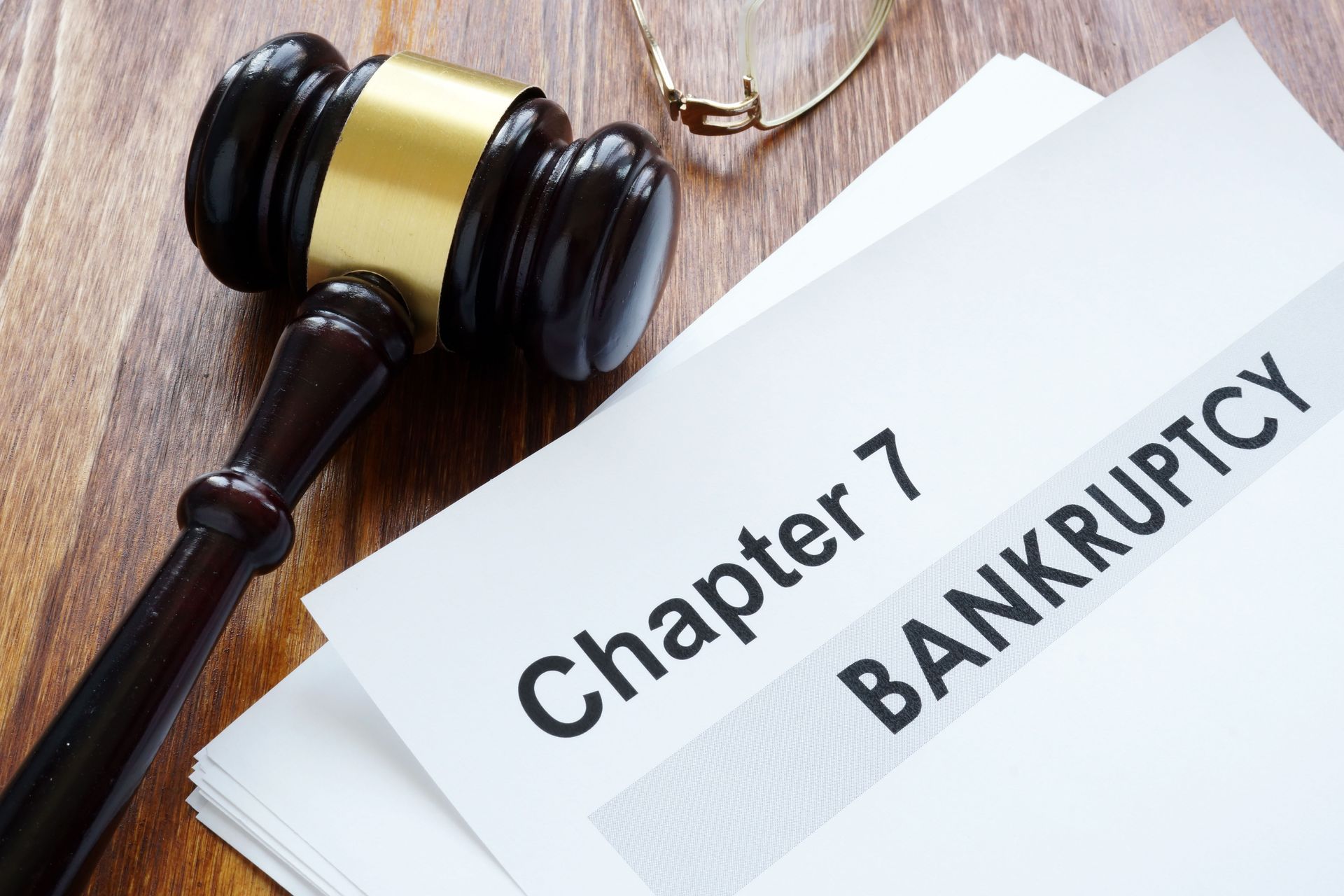
Selecting the type of bankruptcy you should choose might seem difficult, but the truth is that there are some significant differences between the types of bankruptcy that should make it easier for you to choose.
The two main types of consumer bankruptcy include Chapter 13 and Chapter 7. Chapter 7 bankruptcy is best used in situations where a person has limited income or no way to pay what they owe. On the other hand, Chapter 13 bankruptcy, also known as a wage-earner's plan, is for those who can afford to pay some of their debts but who need to have it reduced or consolidated.
So, how can you choose which one is right for your situation?
1. Check your income
Start by looking at your income. If you have no income or have debts that are more than your total income, then a Chapter 7 bankruptcy may be right for you. On the other hand, if your income is significant but you have heavy debts that are making it hard to live comfortably, a Chapter 13 bankruptcy may be a better option.
2. Consider liquidation
The next thing to understand is that Chapter 7 bankruptcy is a kind of liquidation bankruptcy. Some of your assets may be sold to pay back what you owe. This is not true of Chapter 13 bankruptcy, which allows you to make payments over time. If you don't want to lose your assets, then Chapter 13 bankruptcy gives you a better opportunity. However, there are exemptions that protect people's assets in Chapter 7 as well.
3. See if you meet the income limits
Chapter 7 bankruptcy has income limits. When you're trying to decide if you should seek it, talk to your attorney about your current income and if you will qualify for Chapter 7 bankruptcy. If not, then Chapter 13 may be the right option for you.
These are three tips to help you find the right kind of bankruptcy for your financial situation. These are two options that your attorney can help you look into as you focus on resolving your debts.